
Summary
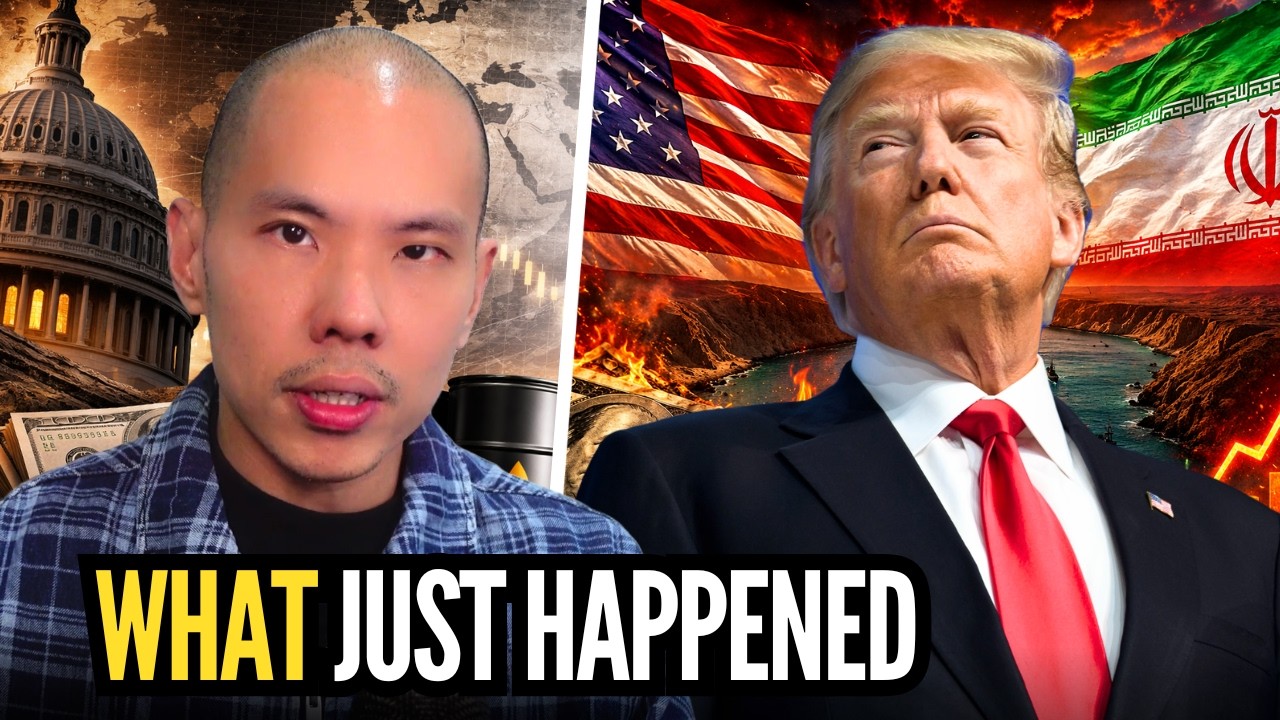
The **Iran conflict** has significant implications for global markets, with potential risks including **higher oil prices**, **hotter inflation**, and **greater market uncertainty**. According to **Morgan Stanley**, investors should be prepared for a range of possible outcomes, from a **short-term market shock** to a **longer-term economic downturn**. The conflict could also impact **global trade**, particularly in the **Middle East** and **Europe**, with potential consequences for **international relations** and **geopolitics**. As the situation continues to unfold, investors are advised to stay informed and adapt their strategies to mitigate potential losses. For more information, see [[iran-conflict|Iran Conflict]], [[morgan-stanley|Morgan Stanley]], and [[global-markets|Global Markets]].
Key Takeaways
- The Iran conflict poses significant risks to global markets, with potential consequences including higher oil prices, hotter inflation, and greater market uncertainty
- A peaceful resolution could lead to a market rally and a boost to economic growth
- Investors should remain cautious and diversified, with a focus on long-term strategies and risk management
- The conflict has broader implications for international relations, regional stability, and global trade
- Investors can support peaceful resolution efforts by advocating for diplomatic efforts and promoting regional cooperation
Balanced Perspective
The **Iran conflict** is a complex and multifaceted issue, with both **positive and negative** implications for global markets. While a **peaceful resolution** could lead to a **market rally**, a **prolonged conflict** could result in **higher oil prices**, **hotter inflation**, and **greater market uncertainty**. According to **Morgan Stanley**, investors should remain **cautious** and **diversified**, with a focus on **long-term strategies** and **risk management**. For more information, see [[risk-management|Risk Management]] and [[diversification|Diversification]].
Optimistic View
While the **Iran conflict** poses significant risks to global markets, some analysts believe that a **peaceful resolution** could lead to a **market rally** and a **boost to economic growth**. According to **Morgan Stanley**, a peaceful outcome could also lead to increased **foreign investment** in the **Middle East** and a **strengthening of international relations**. However, this outcome is highly uncertain and depends on a range of factors, including **diplomatic efforts** and **regional cooperation**. For more information, see [[peaceful-resolution|Peaceful Resolution]] and [[foreign-investment|Foreign Investment]].
Critical View
The **Iran conflict** poses significant risks to global markets, with potential consequences including **higher oil prices**, **hotter inflation**, and **greater market uncertainty**. According to **Morgan Stanley**, a **prolonged conflict** could lead to a **longer-term economic downturn**, with potential impacts on **global trade**, **international relations**, and **regional stability**. Investors should be prepared for a range of possible outcomes and consider **hedging strategies** to mitigate potential losses. For more information, see [[higher-oil-prices|Higher Oil Prices]] and [[economic-downturn|Economic Downturn]].
Source
Originally reported by Morgan Stanley