
Contents
Overview
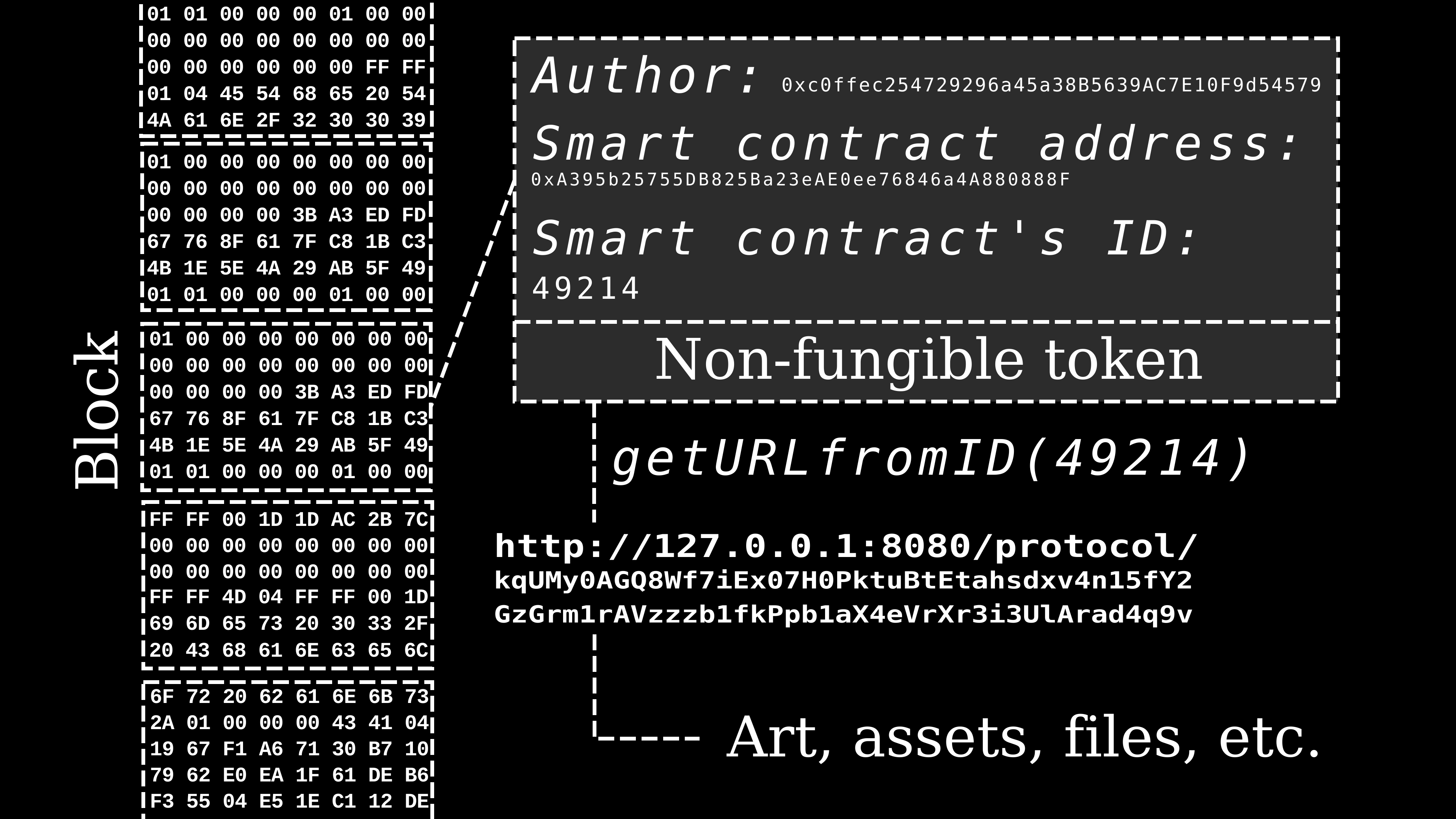
An NFT is a unique digital identifier that is recorded on a blockchain, such as Ethereum, and is used to certify ownership and authenticity of a digital item, like a piece of digital art or a collectible. NFTs are created through a process called minting, which involves creating a new block on the blockchain that contains the NFT's unique identifier and metadata, and can be stored in digital wallets, like MetaMask. The process of minting is facilitated by platforms like OpenSea and Rarible, which provide a user-friendly interface for creators to mint and sell their NFTs.
🔬 How It Works (Mechanics)
The mechanics of NFTs involve the use of smart contracts, which are self-executing contracts with the terms of the agreement written directly into lines of code, and are used to facilitate the creation, buying, and selling of NFTs, on platforms like OpenSea or Rarible. NFTs can be used to represent a wide range of digital items, including artworks, collectibles, and even virtual real estate, like Decentraland, which is a blockchain-based virtual reality platform.
📊 Key Facts, Numbers & Statistics
NFTs can be used to represent a wide range of digital items, including artworks, collectibles, and virtual real estate, like Decentraland. The growth of the NFT market has been influenced by the rise of social media platforms like Instagram and TikTok, which have provided a platform for creators to showcase and sell their NFTs.
🌍 Real-World Examples & Use Cases
Real-world examples of NFTs include the sale of digital artworks and the creation of NFT-based collectibles by companies, which have partnered with NFT marketplaces to create unique digital experiences for their customers. The use of NFTs in the art world has been influenced by the development of digital art and the rise of NFT-based art.
📈 History & Evolution
The history and evolution of NFTs are complex and multifaceted, reportedly involving the development of blockchain technology and the rise of decentralized finance (DeFi).
⚡ Current State & Latest Developments
The current state of the NFT market is reportedly one of significant volatility, with many experts predicting a resurgence in the market in the coming years, driven by the growth of metaverse and virtual reality technologies.
🔮 Why It Matters & Future Outlook
NFTs matter because they provide a new way for creators to monetize their digital content, and for collectors to own and trade unique digital items. NFTs can be used to certify ownership and authenticity of a digital item, and are stored in digital wallets, like MetaMask.
🤔 Common Misconceptions
Common misconceptions about NFTs include the idea that they are only for digital art, when in fact they can be used to represent a wide range of digital items, and that they are only for investors, when in fact they can be used by anyone who wants to own and trade unique digital items.
Key Facts
- Origin
- Blockchain technology
- Category
- investing-101
- Type
- concept
- Format
- what-is
Frequently Asked Questions
What is an NFT?
An NFT, or non-fungible token, is a unique digital identifier recorded on a blockchain that certifies ownership and authenticity of a digital item, such as an artwork, photo, video, or audio file, and can be sold, traded, and transferred like a physical collectible.
How are NFTs created?
NFTs are created through a process called minting, which involves creating a new block on the blockchain that contains the NFT's unique identifier and metadata, and can be stored in digital wallets, like MetaMask.
What can NFTs be used for?
NFTs can be used to represent a wide range of digital items, including artworks, collectibles, and virtual real estate, and can be used to provide a new way for creators to monetize their digital content, and for collectors to own and trade unique digital items.
What is the current state of the NFT market?
The current state of the NFT market is reportedly one of significant volatility, with many experts predicting a resurgence in the market in the coming years, driven by the growth of metaverse and virtual reality technologies.
Why do NFTs matter?
NFTs matter because they provide a new way for creators to monetize their digital content, and for collectors to own and trade unique digital items.
What are some common misconceptions about NFTs?
Common misconceptions about NFTs include the idea that they are only for digital art, when in fact they can be used to represent a wide range of digital items, and that they are only for investors, when in fact they can be used by anyone who wants to own and trade unique digital items.